Yesterday was the Eugene Permaculture Guild’s annual Spring Seed Swap. Every year, hundreds of gardeners and seed savers convene for a few hours on a Saturday to share seeds, plants, and a potluck meal. The event is more than the free gifting of seeds, though, and has become a pivotal community event for the local gardening scene.
This year was the Seed Ambassadors Project’s first appearance at the spring seed swap, and we brought two grocery bags filled with seed that we have saved in the past few seasons. By the end of the day these bags were whittled down to one tenth of their original quantity. It is so great to think of so many local gardeners growing locally saved seeds! Of course, we did not come away empty handed, as we gathered samples of some locally saved tomatoes, orach, mustard, a gourd, a salsify, a parsley, a root parsley, and a blue flat leafed kale that we are really excited about.
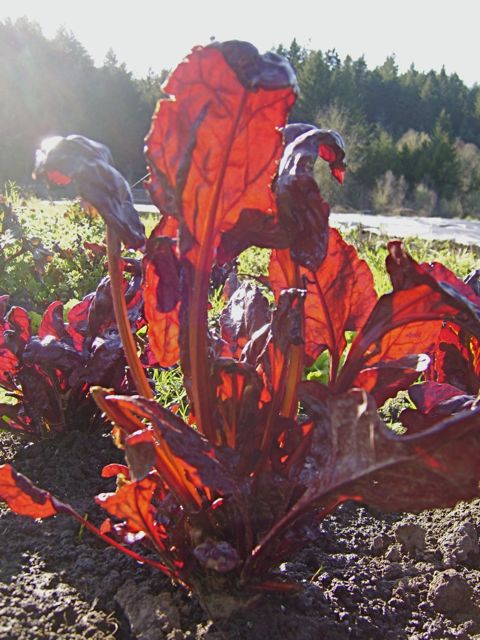
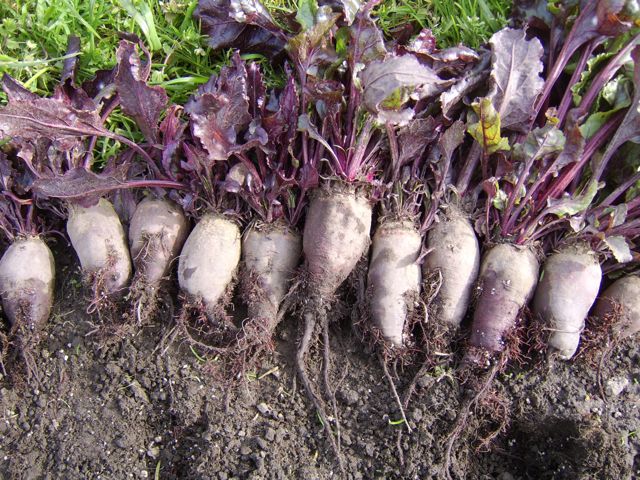
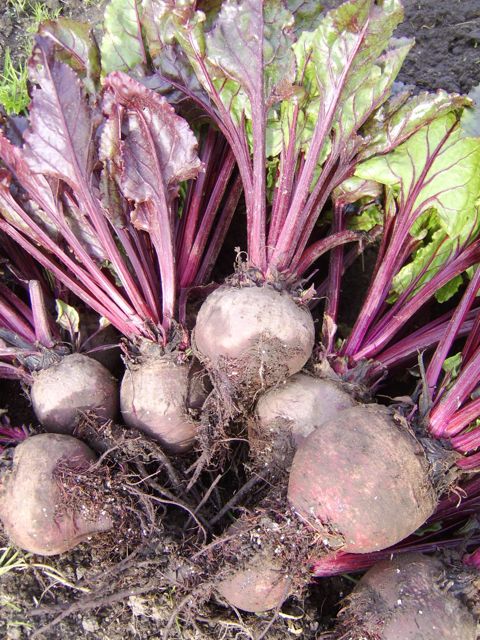
Joy Larkcom’s Bull’s Blood Chard, Ukrainian Beet, Kamuoliai 2 Beet (from Lithuania)
We believe that it is essential that home gardeners and farmers save seed to preserve genetic diversity. It is apparent that even small seed companies are unable and/or unwilling to do so, as they must respond to the forces of the market and whims of the large seed companies. Locally stewarded seed is of course optimal, though national seed saving networks, such as the Seed Saver’s Exchange, are also very excellent in this regard. One of the goals of the Seed Ambassadors Project is to encourage local seed saving. Each time a variety of vegetable is saved in a particular bioregion (or microclimate or garden), it adapts to the specific conditions of that place. Ultimately, food sovereignty begins with seed sovereignty.
As we have mentioned in previous posts, our seed quest last winter resulted in the collection of more than seven hundred varieties of seed, many not available in the United States. Added to this amount are the fifty or so varieties we collected this year in Romania, and a few dozen other varieties collected by other friends Seed Ambassadorizing in Mexico and Italy. While we are doing everything we can to grow out as many of these varieties as possible in our own large seed garden, isolation distances required by many biennial outbreeders (beets and chard, brassicas, onions and leeks, parsnips and carrots) severely limit the amounts of these species we can grow out to seed in any given season.
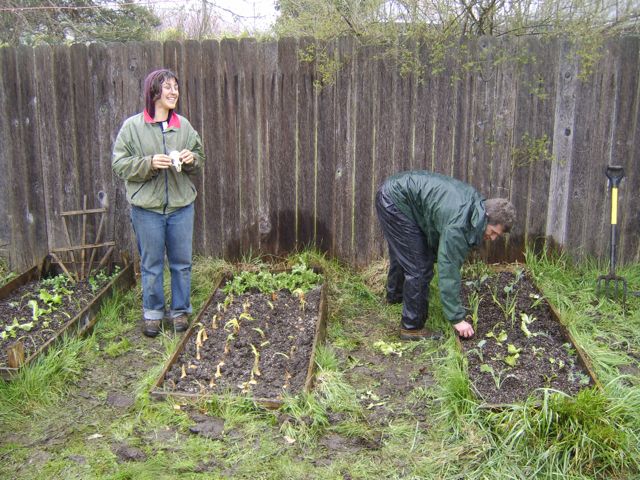
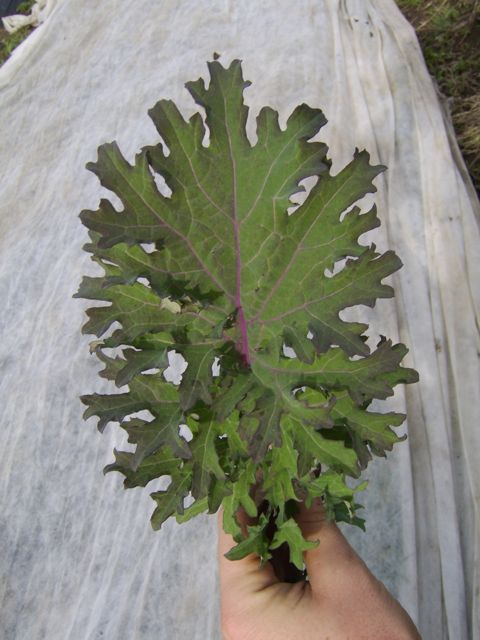
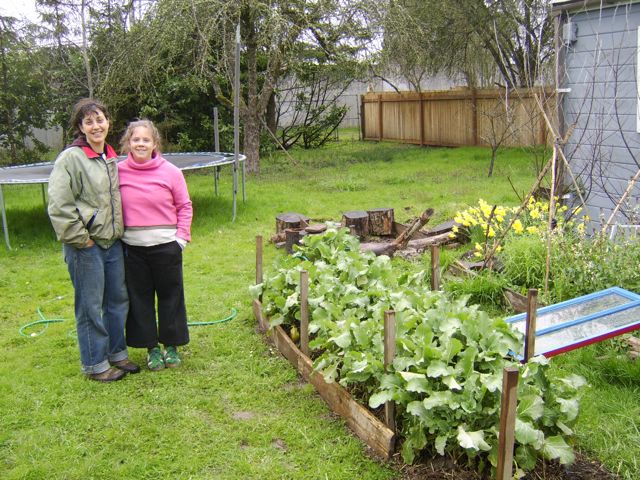
Sarah and John Herberg with some onions, Russian Hunger Gap Kale, Alison Kinney with Sutherlin Kale
Last year we grew several of each of these species, not quite knowing how we would isolate them this year for flowering and seed production. Several people have contacted us through our website and offered to help (thank you!), and we are trying to plug these people in as much as possible.